For centuries, lavender has been a part of Provence’s history. Whether growing wild, cultivated, or distilled… it has endured through the ages without ever truly disappearing from our landscapes. But how, exactly, did this little purple flower become one of the South’s most recognizable symbols? In this article, we’ll take you on a journey through the history of lavender.
History of lavender
Its origins date back to Persia (currently Iran), mainly used in essential oil by the Romans, Egyptians, and Greeks to maintain linens, scent baths, and of course for healing. Yes, long before becoming one of the symbols of Provence, lavender had already traveled a lot!
The still of Jabir ibn Hayyan, 766 - 1001 inventions
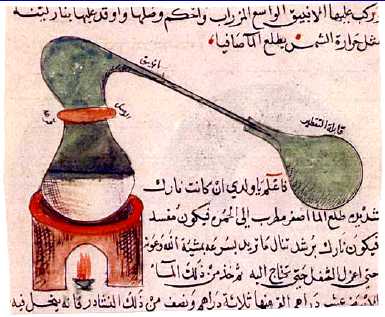
The first traces of lavender in Provence appeared during the Middle Ages, shepherds leading their flocks to the mountains during transhumance also carried a small still on the back of their mule.Just imagine the scene: the flocks, the mountains... and the still following the journey!Once on the heights, they hand-harvested fine lavender and extracted the essential oil, the basis of perfumes and medicines of the time.At that time, there were not yet vast purple fields as far as the eye could see: lavender is primarily a wild plant.
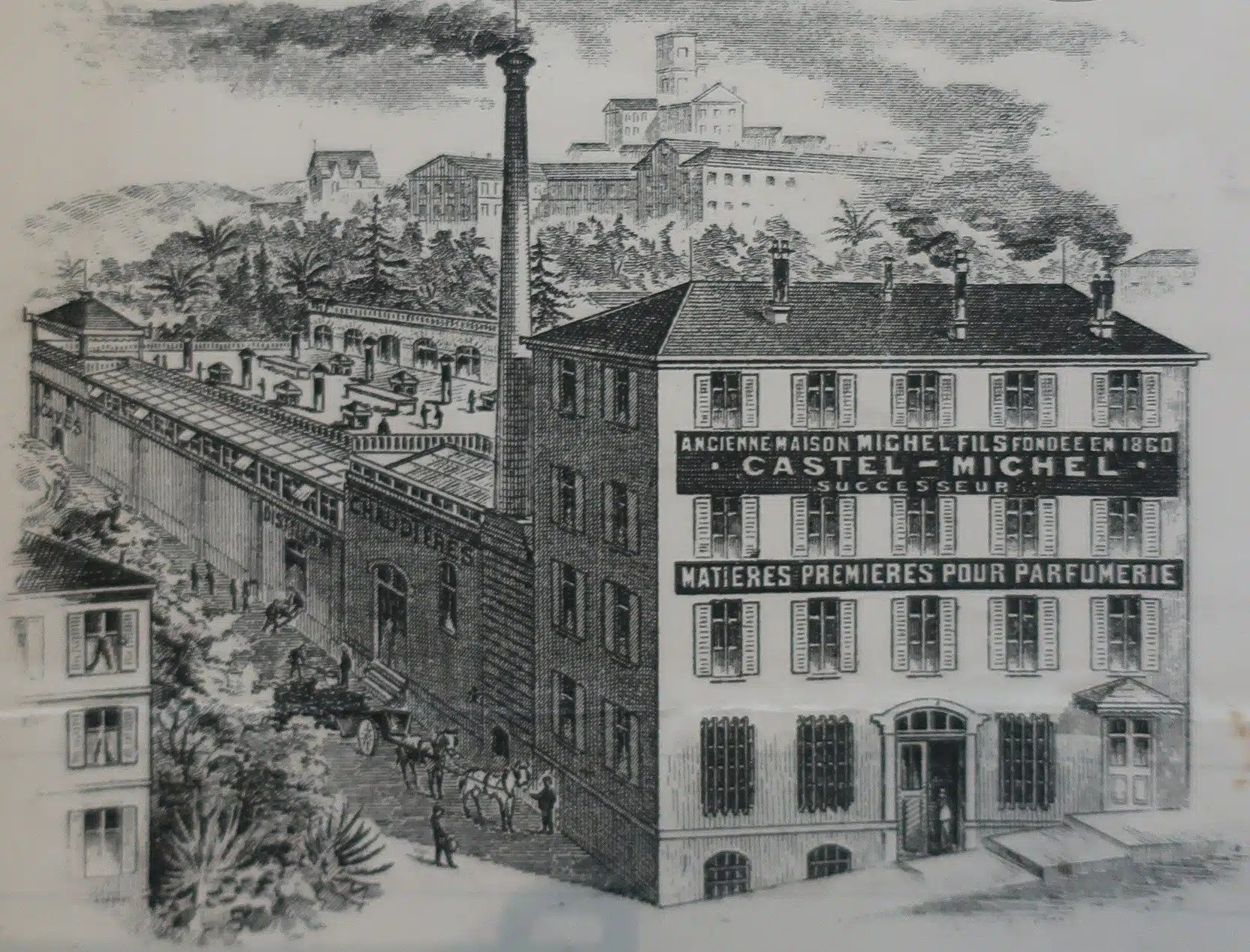
However, it wasn't until the 19th century, with the explosion of demand and the creation of many perfumeries in the Grasse region, that we finally saw the emergence of cultivated lines of this previously wild plant.Little by little, the landscape we know today begins to take shape...
It is a little later, still with the aim of improving the yields of lavender that lavandin, a hybrid variety born from the natural crossing between fine lavender and aspic lavender, a plant more resistant than normal and producing more essential oil. A natural cross that will completely change the history of lavender cultivation!
“Did you know that there are more than fifty different varieties of lavender? It’s up to you to figure out which one is in your garden 😉 !”
The life of lavender in our fields
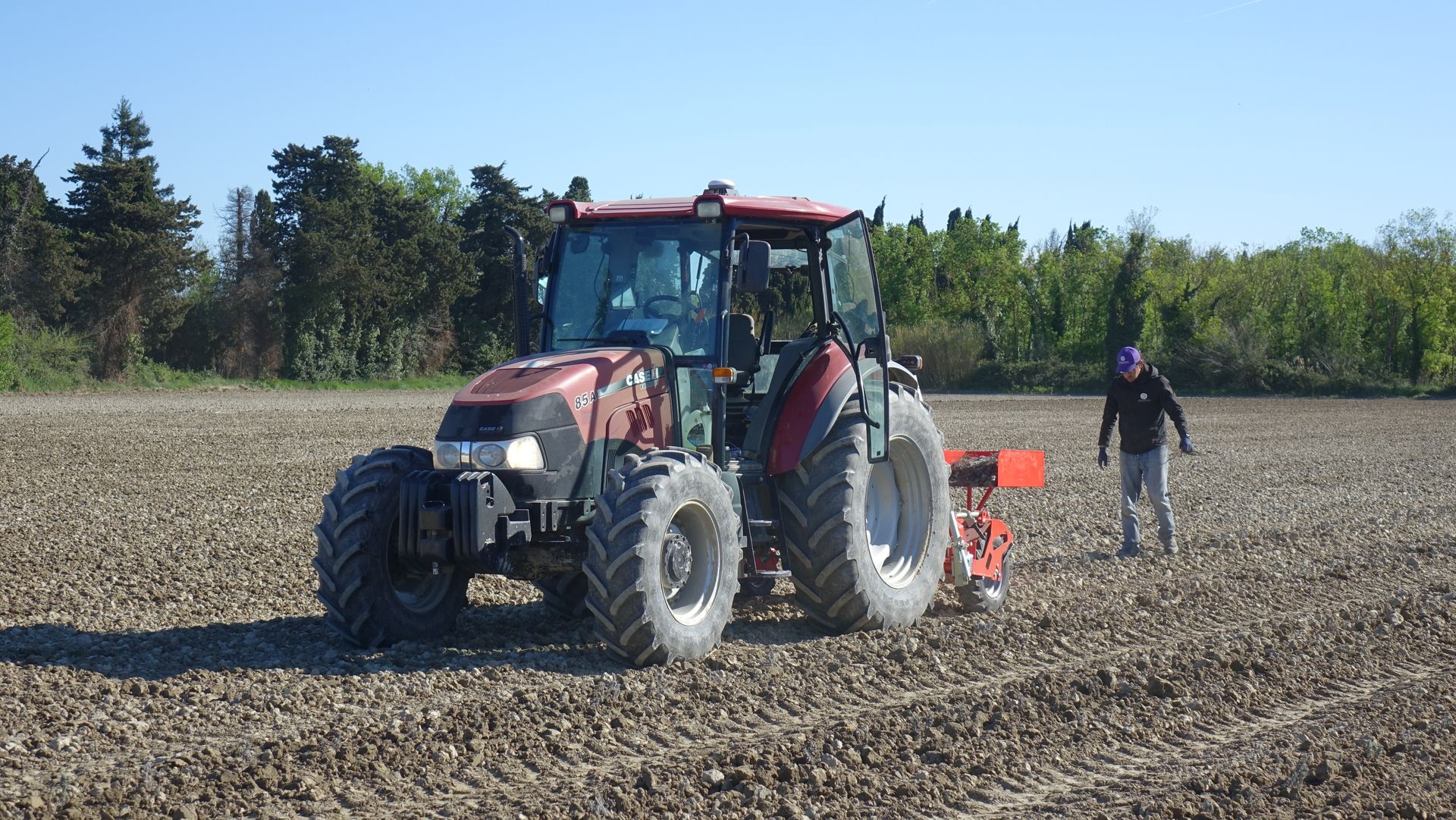
Our lavender planting begins between February and March, depending on the weather. No matter the variety, the important thing is to plant them quickly enough to allow for a start of growth before the strong summer heat. A few months to settle in well before facing the Provençal sun.
From then on, the life cycle of the plant begins, a cycle that will last 10 years where the magnificent flowering from late May / early June until mid-July, the harvest at the end of flowering and finally the growth of new stems during the rest of the year!
Our advice: prioritize the month of June to see the full bloom and take your best shots in the fields!
The first harvest intended for the production of essential oils takes place after the first two years of the plant, when it begins to produce a sufficient amount. A little patience then: a lavender does not give everything in its first year! But you will still have to wait another year or two to see the plant reach maturity. As they say, behind every bottle, there is also a lot of time.
The 3 lavenders
Among the fifty lavenders around the world, we have selected the three most appreciated in aromatherapy!
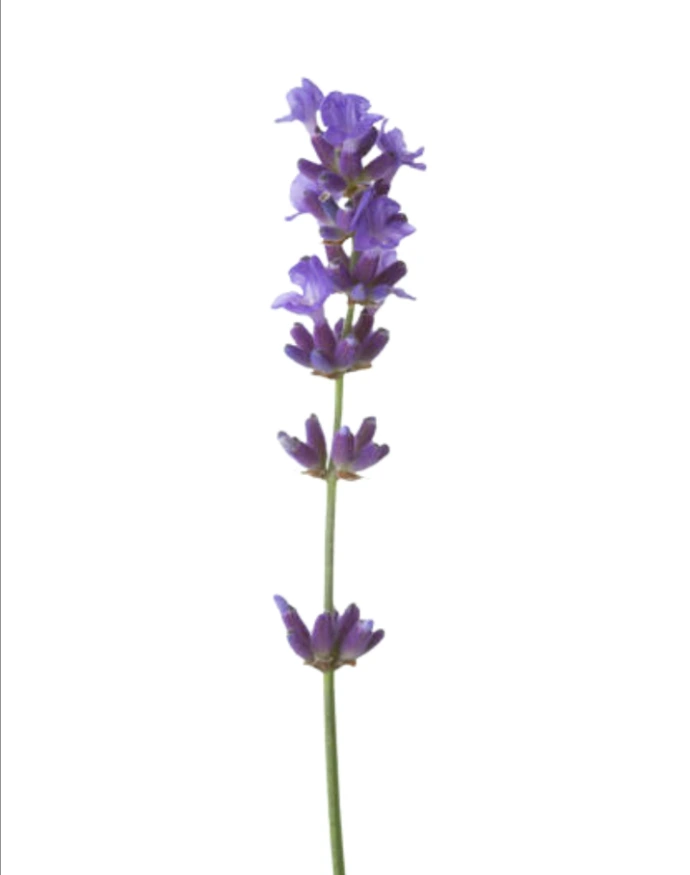
Fine lavender
Lavandula Angustifolia
Also called true lavender, noble lavender.
Characterized by a single flower spike per stem.
Delicate, rounded scent
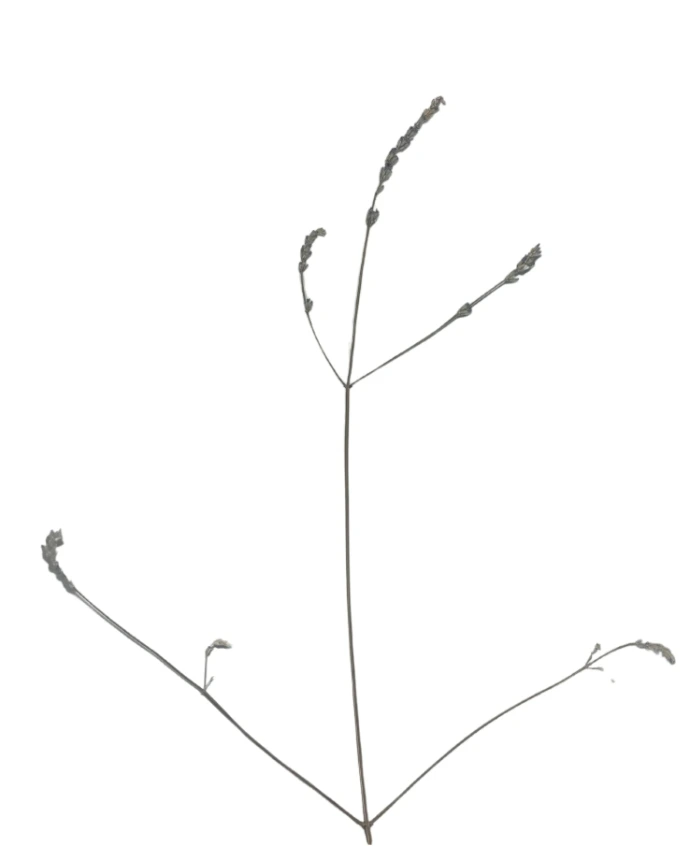
Aspic Lavender
Lavandula Latifolia
Several branches and flower spikes.
Very arid areas like the calanques and garrigues
Fresh scent
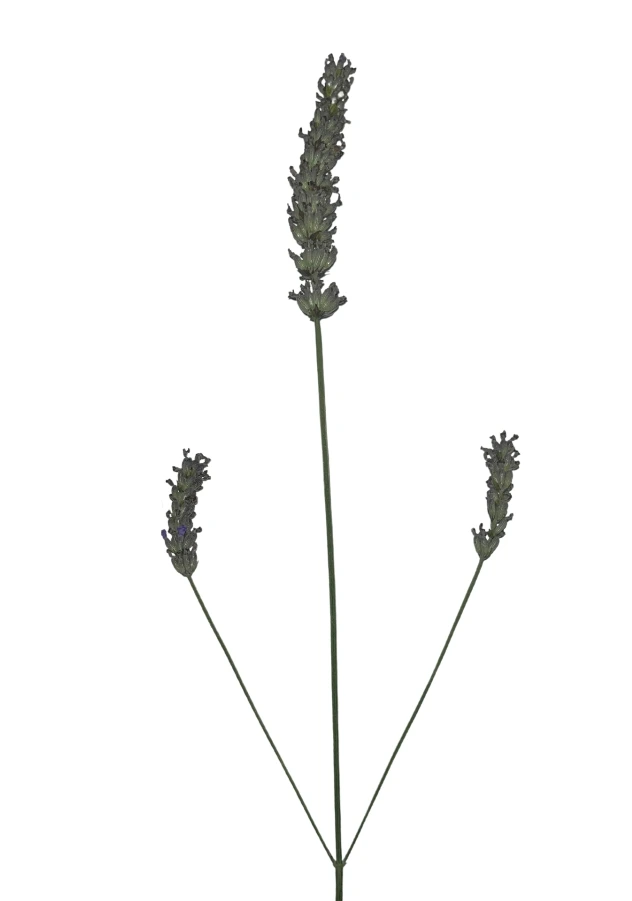
Lavandin
Lavandula hybrida
Characterized by its floral trident.
Significant production of essential oil
Powerful scent
Fine Lavender:
By its Latin name lavandula angustifolia, fine lavender has always played a major role in the development of lavender in France, from its distillation with shepherds in the mountains during transhumance to the perfumeries of Grasse. Easily recognizable by its unique stem and well-provided flower spike, it can be found in several forms such as the spindle, the bouquet, pure essential oil, and hydrosol…
Lavandin grosso :
Lavandula hybrida ‘Grosso’, discovered by botanist Pierre Grosso in 1957, has become widely established as the most widely cultivated aromatic plant in France due to its high profitability. What makes it special? It’s a hybrid, born from a natural cross (thanks to our friends the bees!) between true lavender and spike lavender. It therefore inherits the flower stalk of true lavender as well as the side branches of spike lavender.
Lavender aspic :
Lavandula latifolia, this less conventional lavender, with its long stem and numerous branches, is nonetheless very interesting in its history. The word “aspic” refers to snakes, more specifically to the venom of vipers. In the past, during hand harvests, snakes could hide between the plants and attack if they felt threatened. To relieve the pain of the bite, they would cut a bouquet of lavender aspic and rub the flowers on the bite to soothe it. Hence its name!
And there you go! You now know a little more about the history of this iconic plant of Provence. From its distant origins to our fields, lavender has traversed the centuries… and continues to be part of our daily life at the Mas.
And if you prefer to experience it directly on site, embark on a guided tour at the Mas! You will discover other aromatic plants as well as all our work, from field preparation to distillation.
Simon & Marion – un MAS en PROVENCE
Want to go further?
Now that you know all about the history and life of our lavenders, why not invite them into your kitchen? Discover some recipes using fine lavender, to add that special aromatic touch to your dishes and desserts.