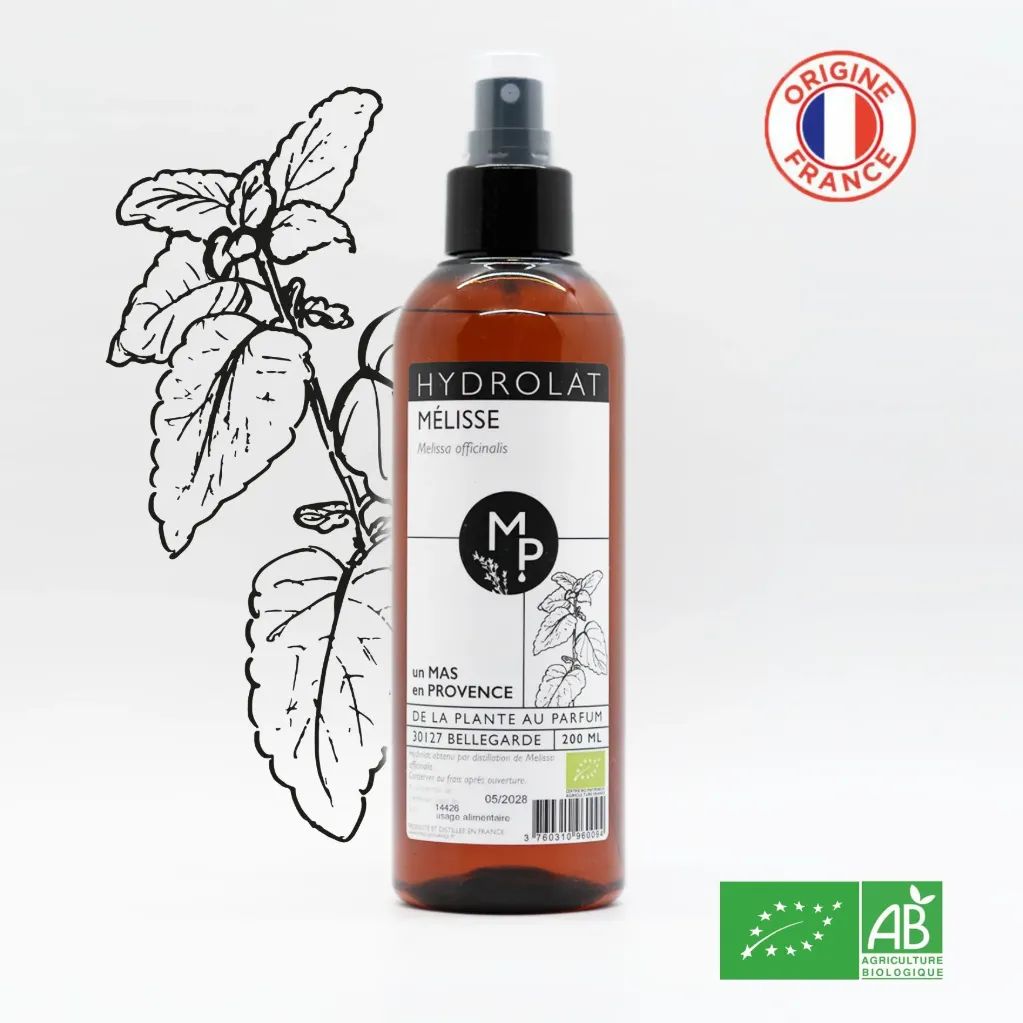
Our hydrolates or floral waters immerse you in the heart of Provence and invite you to enjoy the tranquility of our flowered fields.
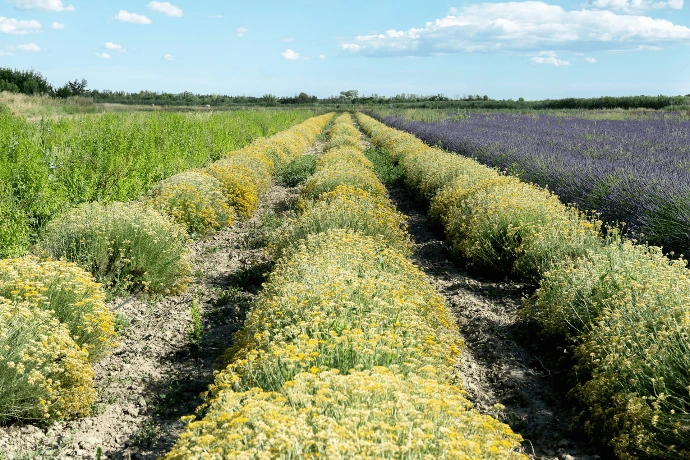
Local origin
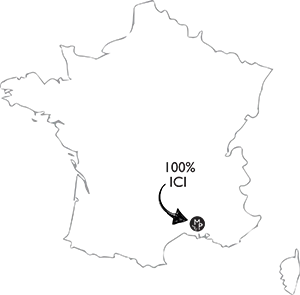
A MAS in PROVENCE is an independent business located in the South of France, allowing us to produce artisanally in the heart of Provence:
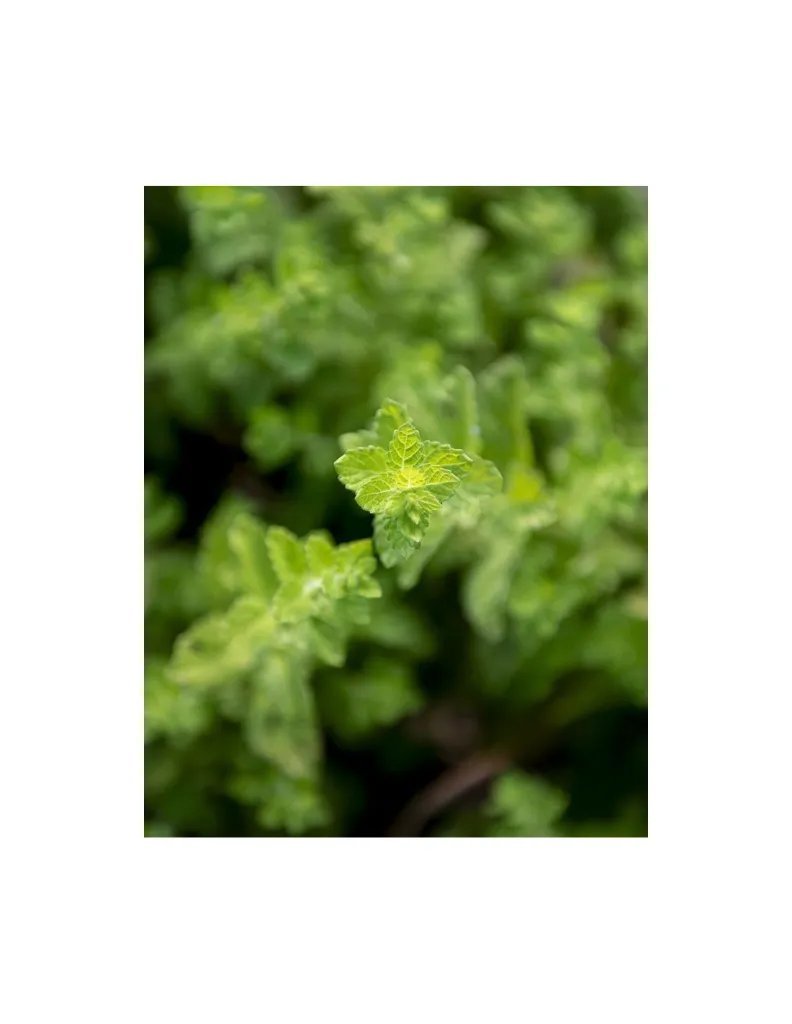
Lemon balms planted in our fields
Hydrolates extracted by our distiller producer directly at the MAS

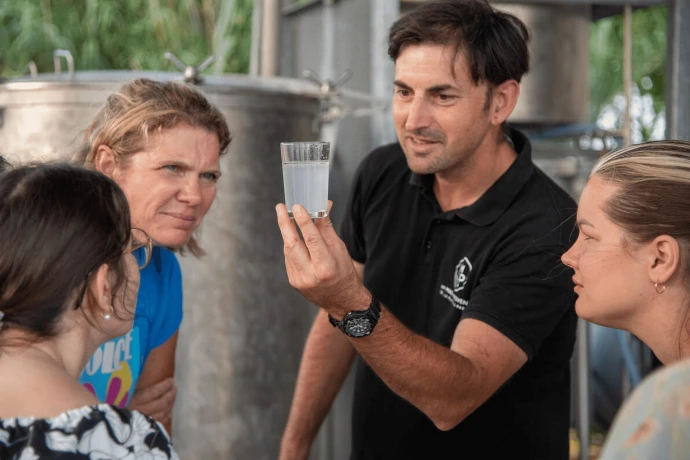
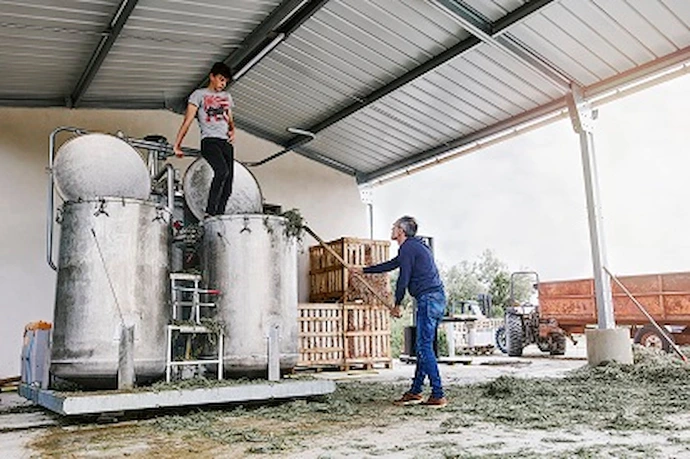
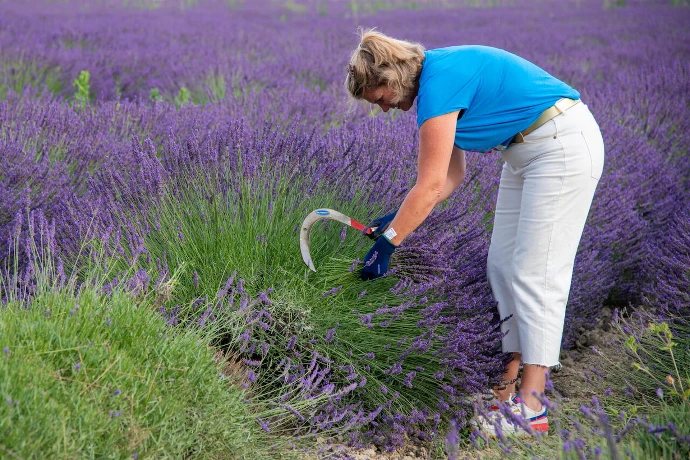
We adopt an environmentally friendly approach, without chemical treatment, and respecting lunar cycles.
You can discover all our plants and working techniques directly on site during our guided tours.

Lemon balm hydrolate, in detail
Lemon balm, a plant with a thousand stories
Easy to cultivate, it thrives in temperate and sunny environments.
Its latin name, derived from Greek melissa meaning 'bee', reflects its close connection to the beekeeping world. It is often planted near houses to attract bees.
Used in culinary traditions, it delicately flavors infusions, drinks, and certain preparations, bringing a fresh and slightly lemony note.
In ancient Greece, it was used after hearty meals; the Romans added it to their wine to alter its taste. In the Arab world, it was nicknamed "elixir of life," reflecting its significance in the customs of the time.
Over time, lemon balm made its way into the gardens of monasteries and royal courts in Europe. As early as the 9th century, Charlemagne ordered its cultivation in imperial gardens. Later, in the 14th century, Charles V consumed it in infusion to "calm his mind."
At the court of Louis XIV, it also found its place in the kitchen, where it flavored sorbets, aromatic waters, and various preparations.
Monks played a significant role in its spread and popularity. It became an ingredient in the famous Eau de Mélisse des Carmes, an elixir still offered today.
Other names
Melissa officinalis
Common lemon balm
Lemon herb
Other types of lemon balm:
There are others with multiple properties:
Golden lemon balm / Melissa officinalis ‘Aurea’
Variegated lemon balm / Melissa officinalis ‘Variegata’
Production process
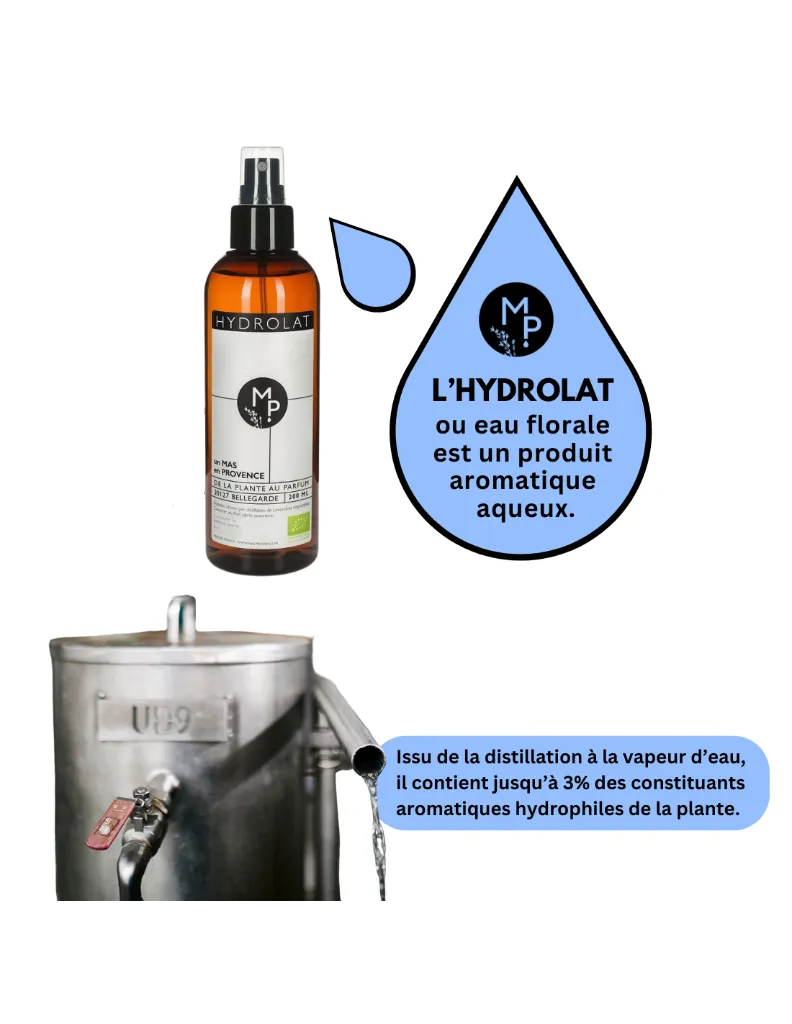
Complete distillation in a low-pressure still (with organoleptic monitoring conducted by Gaël) by steam distillation.
How to recognize it
Appearance:clear, mobile liquid
Color:colorless
Smell:aromatic, characteristic
Part of the extracted plant
Leaves
This floral water should be handled with care to reap all its benefits without risk.
Non-photosensitizing.
Should not be used as a substitute for a varied diet.
Do not use for prolonged periods without medical advice from a professional.
Store away from heat.
Close the bottle tightly after use.
Do not hesitate to perform a patch test (on the inside of the elbow) before use.
* To comply with French legislation, all our hydrosols are registered as dietary supplements.
Questions about this product?
Contact us!
We will be happy to help you.

Want to create by yourself?
Harvesting & distillation workshop
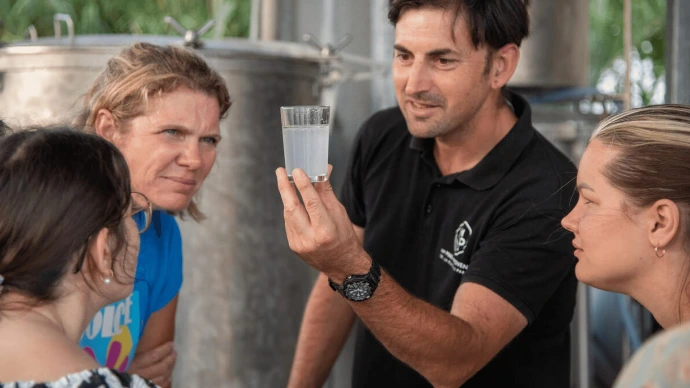
Come hand-pick lavender directly from the fields and learn how to distill it!
DIY cosmetic workshop
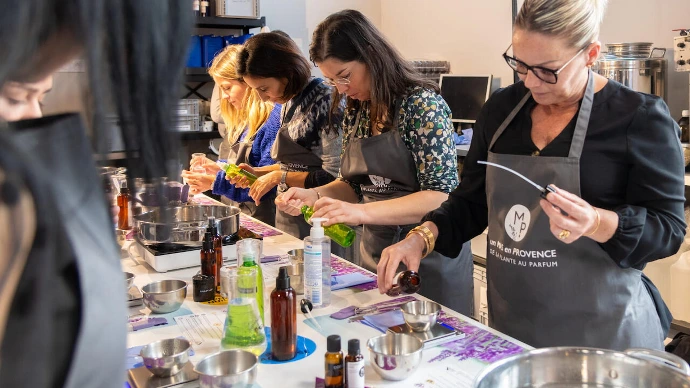
Make your own natural lavender cream from essential oil and hydrolate.
You might also like...
Local production
In Provence
Loyalty program
Up to €10 off
Free shipping
In France on orders over €60
Payment
Secure